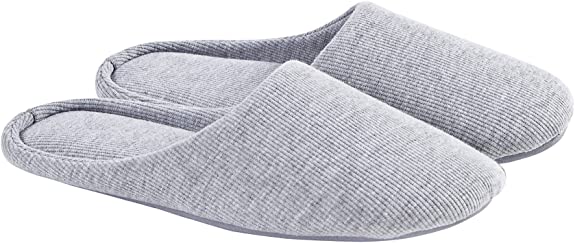
When it comes to comfort and style at home, Japanese house slippers are in a league of their own. These slippers are not just a footwear choice; they are a reflection of Japanese culture, craftsmanship, and attention to detail. Whether you’re looking for traditional tatami slippers or modern designs, Japanese house slippers offer a blend of comfort, durability, and aesthetics that are hard to match. In this article, we’ll explore the top five Japanese house slippers that are sure to elevate your lounging experience.
1. Tatami Slippers: Embracing Tradition
Tatami slippers are perhaps the most iconic representation of Japanese footwear. Made from woven straw mats, tatami slippers offer a unique texture and feel that instantly transports you to the serene interiors of a traditional Japanese home. These slippers are lightweight, breathable, and designed to conform to the shape of your feet over time, providing unparalleled comfort. Whether you’re walking on hardwood floors or tatami mats, these slippers offer the perfect balance of softness and support.
2. Geta Sandals: Fusion of Tradition and Fashion
Geta sandals are a traditional form of Japanese footwear that have been modernized to suit contemporary tastes. These wooden sandals feature a raised wooden base, usually with two horizontal supports, and a fabric thong to keep your foot in place. While traditionally worn with kimono or yukata, modern interpretations of geta sandals incorporate stylish designs and patterns, making them suitable for casual wear at home. With their elevated platform, geta sandals provide excellent ventilation, keeping your feet cool and comfortable even on the hottest days.
3. Tabi Slippers: Versatile and Functional
Tabi slippers take inspiration from tabi socks, which have a distinctive split-toe design that dates back centuries. These slippers feature a similar split-toe construction, allowing for greater flexibility and dexterity while walking. Tabi slippers are often made from soft, breathable fabrics such as cotton or linen, making them ideal for year-round wear. Whether you’re relaxing at home or stepping out for a quick errand, tabi slippers offer the perfect combination of comfort and functionality.
4. Zori Slippers: Elegance in Simplicity
Zori slippers are another traditional Japanese footwear option that has been modernized for contemporary living. Similar in design to flip-flops, zori slippers feature a flat sole made from various materials such as straw, rubber, or synthetic leather, with a fabric thong to hold the foot in place. While traditionally worn with formal kimono attire, zori slippers now come in a wide range of styles and colors to suit any taste. Whether you prefer a minimalist aesthetic or bold patterns, zori slippers add a touch of elegance to your loungewear ensemble.
5. Indoor Moccasins: Western Comfort with Japanese Flair
While not traditionally Japanese, indoor moccasins have become popular in Japan for their unmatched comfort and warmth. These soft, suede slippers feature plush lining and a flexible sole, providing superior cushioning and support for tired feet. Many Japanese brands offer their own take on indoor moccasins, incorporating elements of Japanese design and craftsmanship. Whether adorned with traditional motifs or minimalist embroidery, indoor moccasins offer a cozy retreat for your feet after a long day.
In conclusion, Japanese house slippers offer a harmonious blend of comfort, style, and craftsmanship that is unrivaled in the world of footwear. Whether you prefer the timeless elegance of tatami slippers or the modern flair of indoor moccasins, there’s a perfect pair of Japanese house slippers to suit your preferences. So why settle for ordinary slippers when you can elevate your lounging experience with the unparalleled quality of Japanese craftsmanship? Treat your feet to the luxury they deserve and step into a world of comfort and style with Japanese house slippers.
